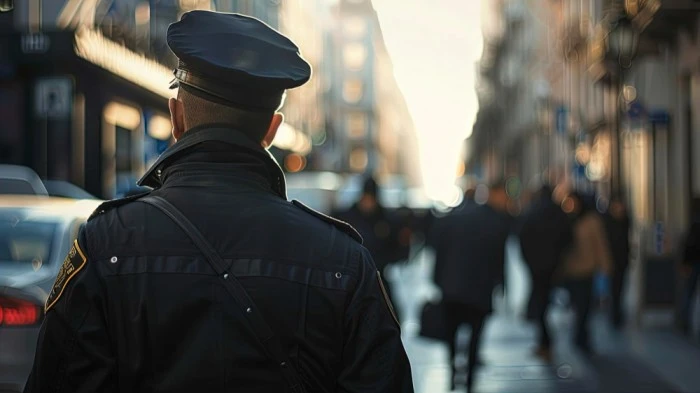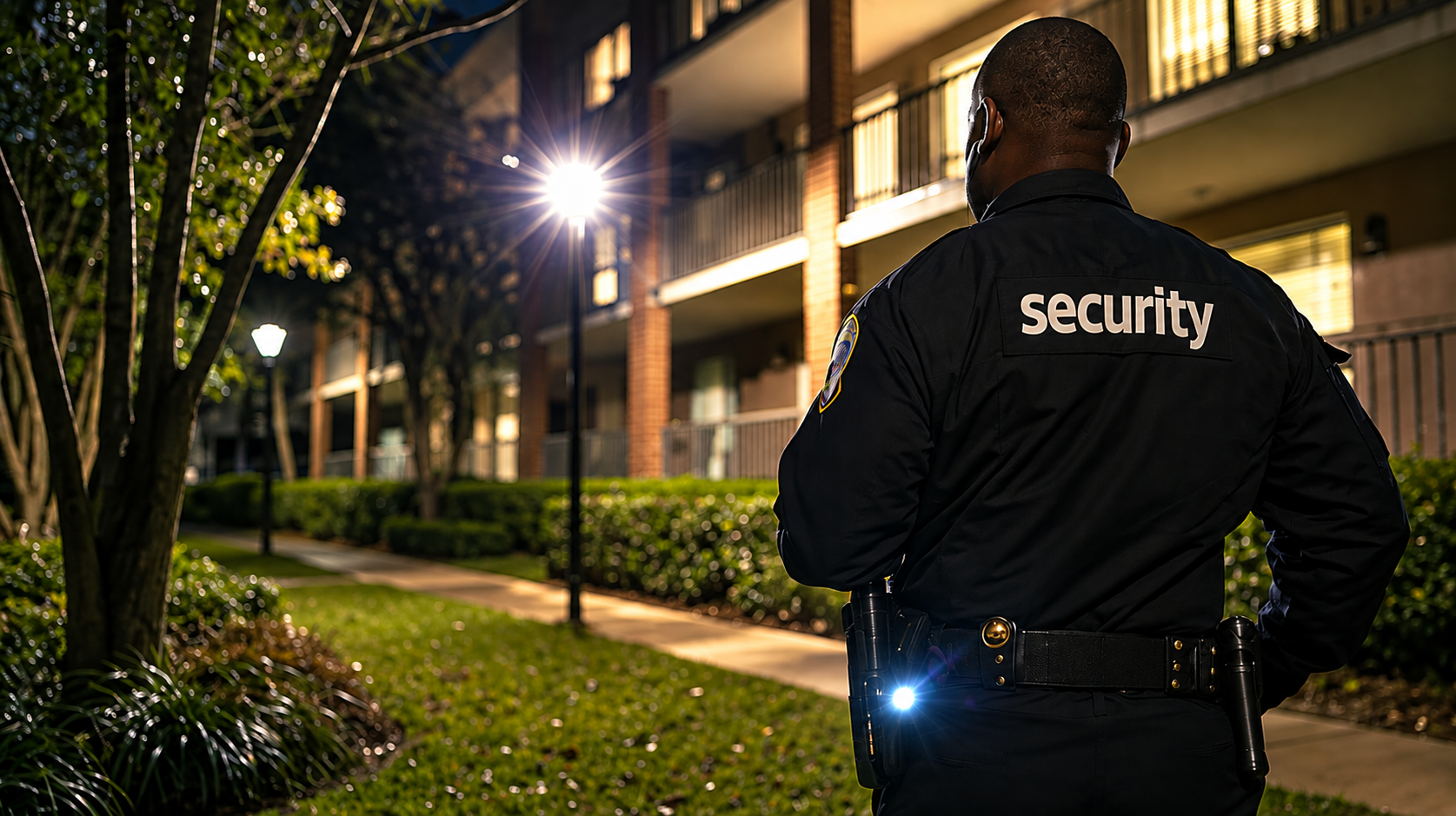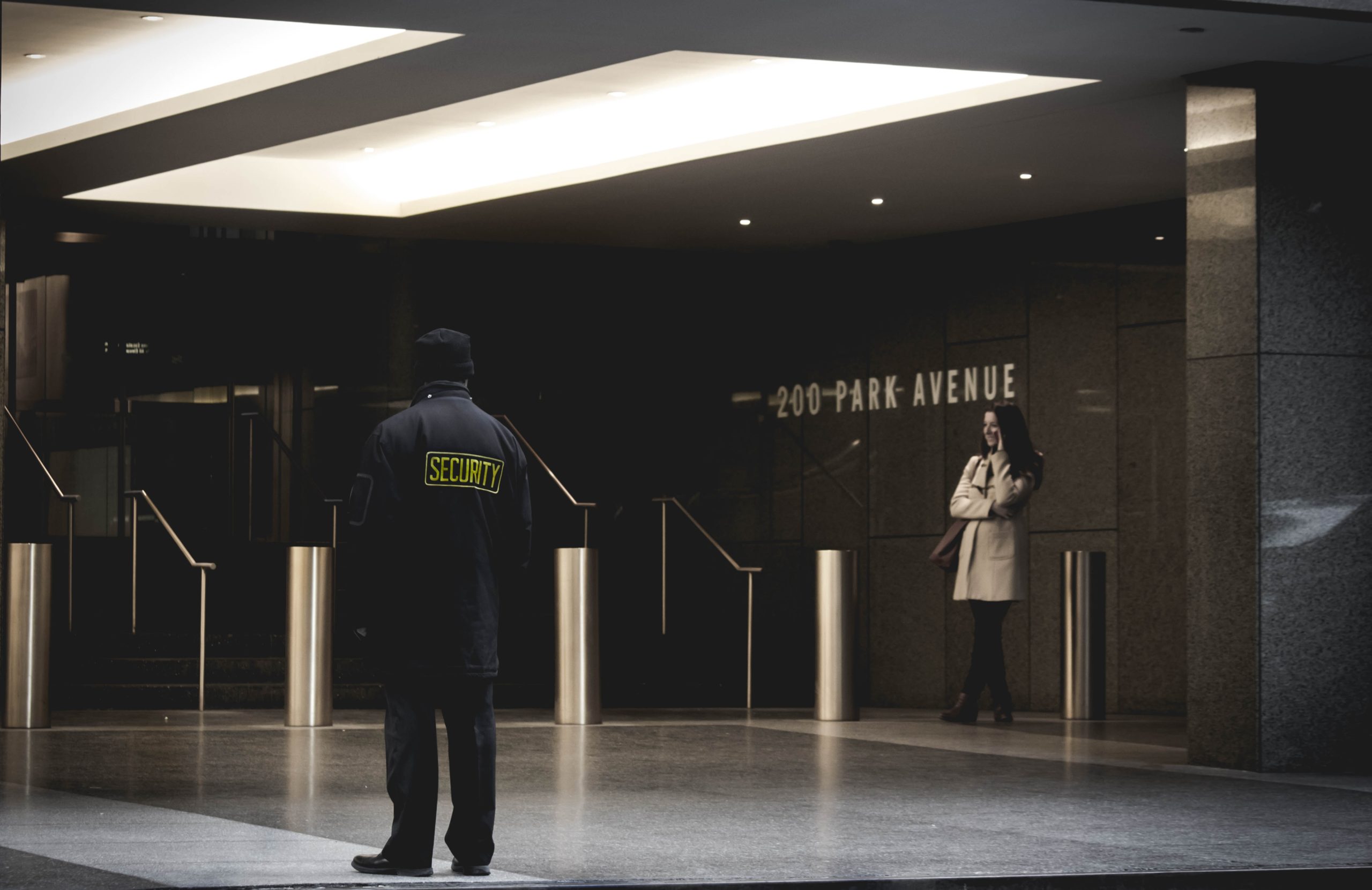
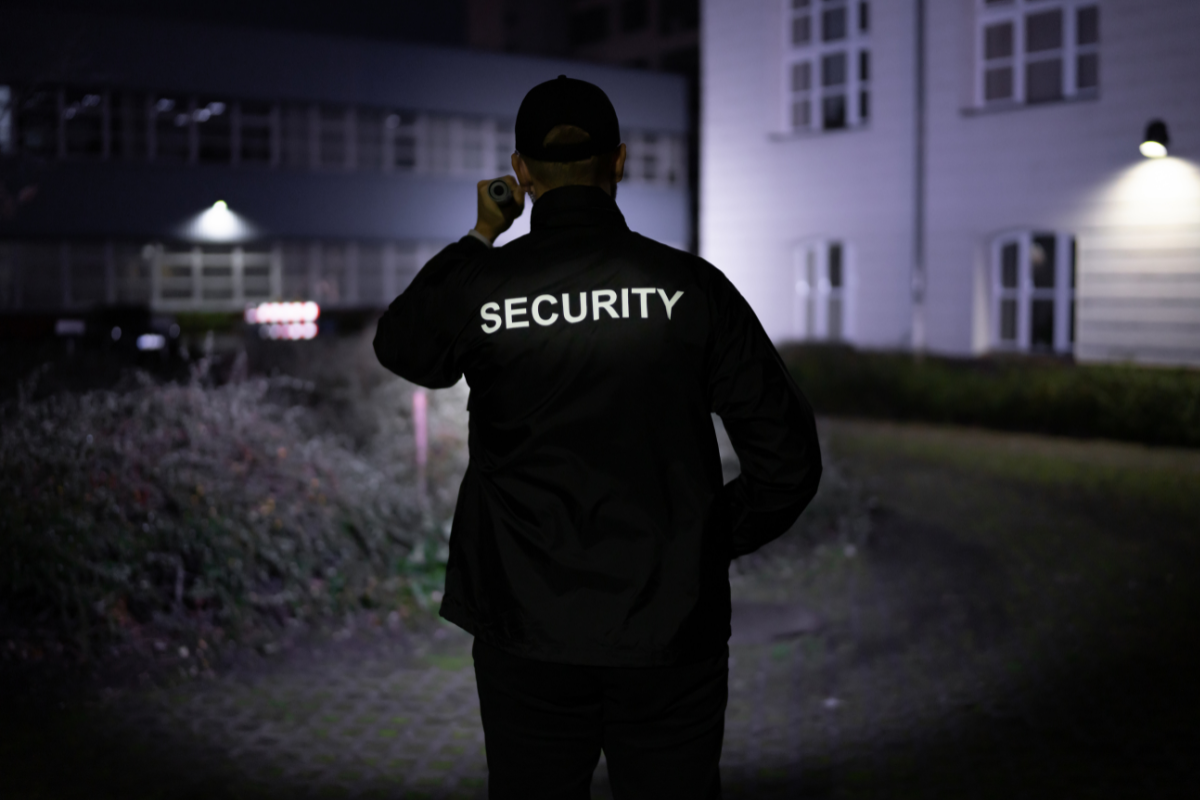
In busy cities like Melbourne, safety is a top need for firms and public hubs. This is why many groups now rely on protective security officers to protect their staff, guests, and key assets. From hospitals to transportation hubs and large events, protective security officers in Melbourne play a key role in risk management. A trained protective security guard does far more than stand at a gate. They help stop risk and act fast when a threat shows up.
Who is a Protective Security Officer?
A protective security officer, often known as a PSO, is a trained professional who helps protect people, sites, and key assets. Their role goes beyond site monitoring. They create proper security plans to lower risk and ensure safety.
In Melbourne, PSOs can be seen at transit hubs, hospitals, and large public events. Their role is to stop crime, help the public, and back up site safety plans. A PSO must stay alert at all times. They need to spot signs of risk well ahead of time and act in a calm and smart way.
Primary Roles of a Protective Security Officer in Melbourne
The role of a PSO can vary from one site to the next. Yet here are some key responsibilities of a protective security officer in Melbourne.
1. Access Control and Identity Verification
One of the most vital jobs of a PSO is to know who comes in and out of a site. These professionals check ID cards, guest logs, work tags, and entry lists to stop theft. This role is common at law firms, hospitals, and large work sites.
In busy parts of Melbourne such as the CBD, Docklands, and Southbank, entry checks are an important part of daily safety plans. This helps stop many risks long before they show up.
2. Surveillance and Patrol
A PSO spends much of their shift on patrol. This may be on foot or in a car. The goal is to monitor all key zones and spot signs of risk. Patrol work helps find issues such as theft, site damage, or odd activities. A good protective security officer does not just monitor. They watch with a clear goal and know what signs may point to a real risk. This skill helps stop many issues before they even show up.
3. Asset and Facility Protection
Many firms hold high-value equipment, data, cash, or stock. A protective security officer helps protect these assets from theft, loss, and damage. For firms in Melbourne’s trade hubs, this role can be a key part of daily risk management.
4. Law Enforcement
While protective security officers are not police, they often work side by side with legal staff. If a crime takes place or a threat shows, they may help protect the site, guide the public, and pass key facts to police.
5. Reporting and Documentation
The right documentation is a huge part of the job. A protective security officer must keep clear logs of events, site checks, risks, and any key activities that take place. These notes can help firms track trends and may assist in legal cases if a major issue comes up. A report must be clear, exact, and free of guesswork. This skill is often just as vital as patrol work.
Key Skills and Qualifications Every Protective Security Officer Needs
Not all guards have the same skill set. A good protective security officer must bring a wide mix of traits to the role.
1. Effective Communication
A PSO deals with staff, guests, site heads, law staff, and other people. So, strong communication skills are a must. They should know how to give clear facts and stay calm under stress. This way, they can stop a small issue from turning into a much larger one.
2. Conflict Resolution
Many issues start with a clash of views. A PSO must know how to cool a tense scene and help all sides stay calm. The goal is to solve the issue with as little stress as possible.
3. Physical Fitness
Long patrols, quick moves, and long shifts all need a good level of fitness. A fit protective security officer can react fast when a risk shows up. This is why many firms place a high value on health and fitness.
4. Legal Knowledge
A PSO must know the laws that guide their role. They need to know site rights, use-of-force rules, and state safety laws. This helps make sure all acts stay in line with legal rules. Otherwise, a lack of legal knowledge can lead to risk for both the guard and the client.
5. Situational Awareness
This is one of the most key skills in this field. A good PSO must be able to analyze a site and spot signs that most people miss. They should monitor crowd activities and changes in mood that may point to a risk. This helps them act early and stop risks promptly.
Where Do Protective Security Officers Work?
You will see protective security officers working in the following places.
Federal Buildings
State and federal buildings often hold important data and staff. That is why these places need high-grade safety plans and skilled guards. PSOs help keep these sites safe day and night.
Transportation Hubs
Transportation hubs are one of the most well-known work sites for PSOs in Melbourne. Large crowds, late-night use, and high foot traffic all bring risks. PSOs help keep these hubs safe and guide the public when help is needed.
Special Events
Sport games, live shows, fairs, and public events all need strong security, as there is risk of theft, fights, and other problems. PSOs keep everything well-organized and make sure the event goes with ease. Many major Melbourne events have trained PSO teams as part of their safety plan.
Hospitals
Health sites face unique risks. Staff may deal with upset guests, tense cases, or high-stress scenes. This is where PSOs keep both staff and guests safe while care for other patients goes on. Their role is now more important than ever.
Benefits of Hiring a Protective Security Officer
Here are the key benefits of hiring protective security officers.
- A strong PSO helps lower risk, protect assets, and boost trust in a firm or site.
- A protective security officer’s immediate response can lower the risk of damage in an urgent case. Moreover, their notes can help track site risks and improve future plans.
- Many firms also find that staff feel safer when a trained PSO is on site. This can help boost work focus and peace of mind.
- For sites with high foot traffic, key assets, or known risks, hiring a PSO is often a wise step.
Why Choose 247 Security Group for the Best Protective Security Services?
When it comes to safety, skill and trust matter. 247 Security Group has built a strong name by giving high-grade safety plans for firms, federal buildings, health hubs, and event teams. Their guards are well-trained and know the local risks in Melbourne. From CBD towers and rail hubs to large public events, our team has real-world skills to ensure safety.
247 Security Group also knows that each client has unique needs. This is why their plans are built to fit the site, the risk level, and the goals of the client. With a focus on skill, trust, and fast assistance, 247 Security Group has become a top choice for firms that need strong security in Melbourne.
FAQs
What is the main role of a Protective Security Officer?
A PSO helps protect people, assets, and sites while lowering the risk of crime and safety issues.
Are Protective Security Officers the same as police?
No, PSOs are security professionals. They may work with police but have a very different role.
Where do Protective Security Officers work in Melbourne?
In Melbourne, Protective Security Officers work in rail hubs, health sites, state sites, work towers, and large event venues.
Do Protective Security Officers need a licence?
Yes, protective security officers must hold the right licence and follow state rules for security work.
Can a business hire Protective Security Officers?
Yes, many firms hire PSOs to protect staff, guests, and valuable assets.
Conclusion
The role of protective security officers has grown far beyond basic site monitoring. Today, they help protect key assets, guide the public, lower risk, and keep sites safe in many types of settings. From rail hubs and health sites to federal offices and major events, protective security officers in Melbourne play a key role in daily safety.
A skilled protective security guard brings strong security plans and the skill to act fast when it counts most. For firms and groups that value safety, trust, and peace of mind, a trained PSO must be a vital part of their strong security plan.